
Solar Maximum to Bring Spectacular Northern Lights to Iceland This Winter
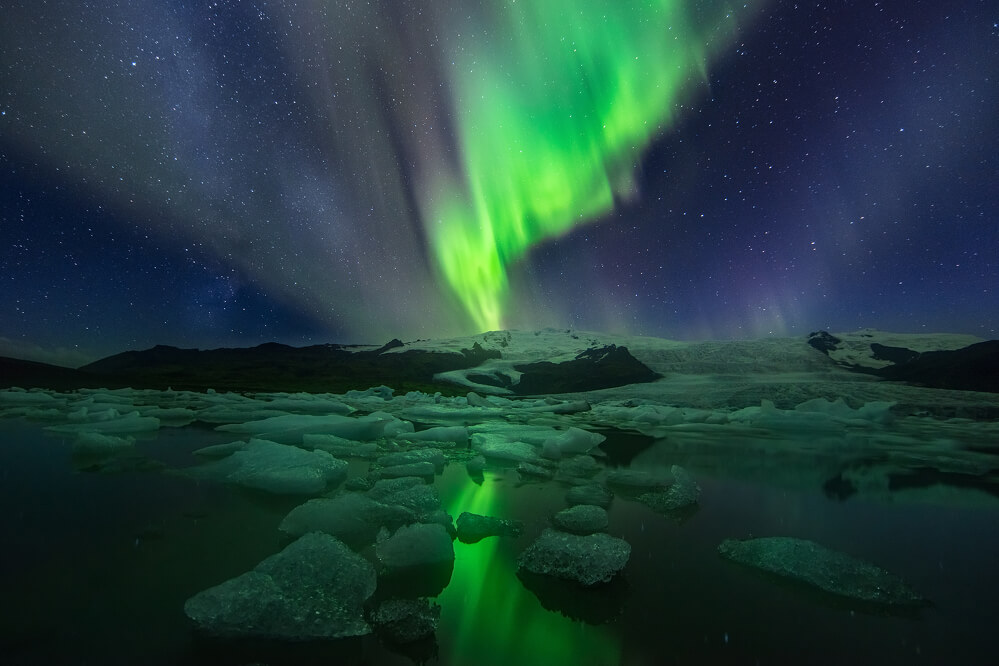
Scientists expect this winter to bring one of the strongest northern lights seasons in more than a decade. The reason: the sun has entered its solar maximum, a natural peak in solar activity that intensifies the colorful light shows seen near the Arctic Circle.
During this period, the sun emits powerful solar flares that collide with Earth’s magnetic field, creating bright, shifting waves of green, pink, and violet light in the night sky. Experts say the displays this winter will be stronger, more frequent, and visible farther south than usual.
The European Space Agency (ESA) reported on an intense solar storm in November 2025, including multiple coronal mass ejections that triggered a severe geomagnetic event. ESA’s Space Weather Office noted that such events are typical during solar maximum, when major eruptions become more likely, and aurora visibility increases across high-latitude regions.
The surge in interest around this winter’s heightened aurora activity is already being felt across Iceland’s tourism sector, particularly among operators offering winter travel experiences.
“This year’s solar maximum is expected to make Iceland’s northern lights even more spectacular,” said Einar Davidsson, a spokesperson for Guide to Iceland, the country’s leading travel agency. “Travelers visiting between September and April will have some of the best aurora-watching conditions in years.”
Best Conditions for Viewing
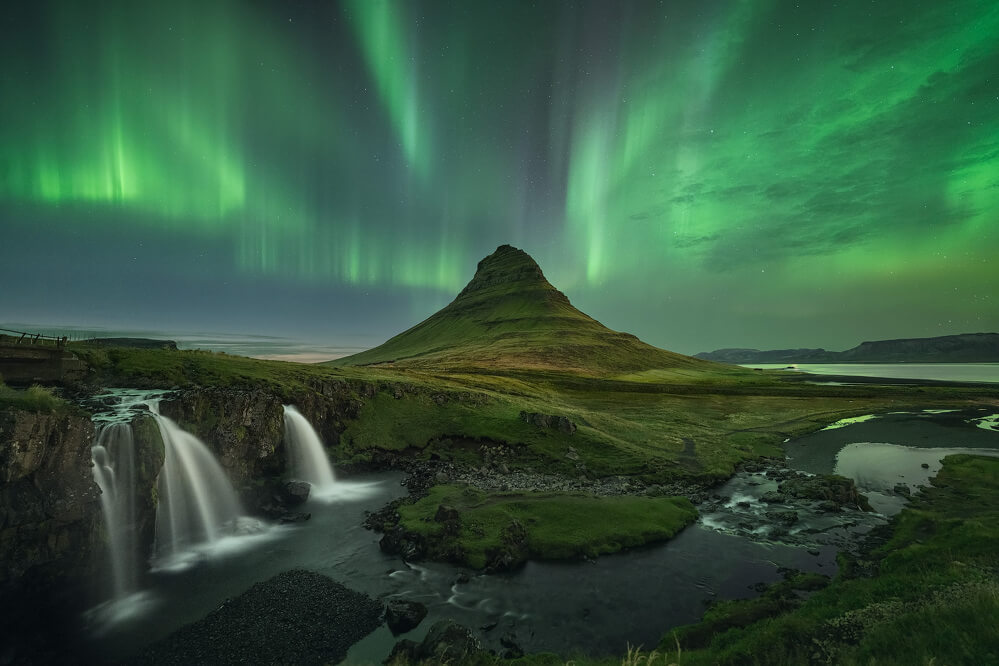
The Icelandic Meteorological Office notes that ideal viewing conditions occur on clear, cold nights far from city lights. Popular viewing locations in Iceland include Thingvellir National Park on the Golden Circle, the South Coast, Snaefellsnes Peninsula, and North Iceland.
The optimal time to look for the aurora is between 9 pm and 2 am, when darkness and atmospheric conditions typically align for the clearest viewing.
Tour operators across the country, including Guide to Iceland, which offers Iceland's biggest selection of travel services, are preparing for a surge in visitors hoping to catch nature’s light show. Many offer guided northern lights tours with real-time aurora forecasts and photography support to help travelers better navigate the conditions.
A lot of travelers who come to Iceland also choose accommodations designed for aurora watching. Properties listed as northern lights hotels are often set in remote locations with open views of the night sky, giving guests a chance to see the phenomenon directly from their doorstep.
While travel planning habits vary, most visitors structure their itineraries across several nights in different regions of Iceland to improve their chances of finding clear skies and reduce the need for day-to-day adjustments. This type of multi-day winter adventure often means combining evening aurora searches with daytime activities such as glacier hikes, hot springs, or ice caving.
Aurora Season to Continue Into 2026
Scientists expect the solar maximum to last through 2025 and into 2026, after which activity will gradually begin to decline as the cycle moves past its peak. For travelers wondering when and where to see the northern lights, Iceland offers excellent conditions throughout this high-activity window.
“There’s rarely been a better time to plan a winter trip to Iceland,” added Einar Davidsson. “The northern lights are among the world’s most magical natural sights, and this year, they’ll be at their very brightest.”
Information contained on this page is provided by an independent third-party content provider. XPRMedia and this Site make no warranties or representations in connection therewith. If you are affiliated with this page and would like it removed please contact [email protected]
